Cascadia
Circa 2004 - 2007
Permanently Closed
This was the official website for the Cascadia restaurant in Seattle Washington. The restaurant is now permanently closed. When chef Kerry Sear closed Belltown's Cascadia to work for the luxury hotel chain, he broke the hearts of foodies everywhere.
The content below is from the site's archived pages.
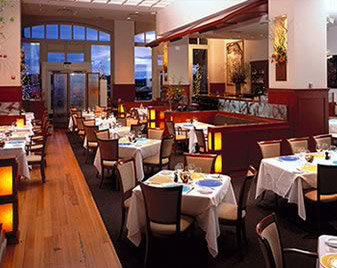
There are places we go to feel special. There are places we go to feel right at home. There are places we go to celebrate once-in-a-lifetime events. And places we go simply because it's Thursday. Enter Cascadia.
Situated in Belltown - a downtown neighborhood of lofts, nightclubs and innumerable versions of Seattle's alternative house of worship, the coffee joint - Cascadia is the creation of Chef Kerry Sear and his wife, Heidi Grathwol.
Step inside and Cascadia becomes a respite from the elements when cloudy and cool, a celebration when sunny and warm. The space is at once intimate and grand, a place to enjoy the company of one or to share with many. There is music, modern and upbeat. Colorful flowers abound. And the one-of-a-kind "rain window" provides a dreamy view of the kitchen's activities. These are the sights and sounds of good things being created.

Sophisticated and open. Familiar and timeless. At Cascadia, the setting matches your mood. Whether a dinner for two or a party for more, the atmosphere adapts.
Cascadia Patio Dining available April – September.

From start to finish, drinks to dessert, Cascadia works with talented, accomplished and approachable individuals who understand that each table is different, each person unique.
|
|
||||||||||||||

|
|
|||||||||||||||||


Whenever you hear people speak of "the place to be," this is that place — The Bar & Lounge at Cascadia. This is the place where you can bask in sunlight pouring through 20-foot high windows or enjoy our outdoor patio in summer. This is the place where you'll find our truly one-of-a-kind Alpine Martini complete with a handmade snowball. And yes — oh, yes — this is the place for Cascadia Miniburgers, cooked to perfection and served to order in ones, twos, threes, fives, tens — you get the idea. Keep them pure (classic beef hanger steak with Vermont cheddar) or go grand (bbq'd lobster, anyone?).
Come early or late. Happy Hour runs from 5:00 p.m. until 7:00 p.m., Monday through Saturday with food and drink also available for after-theatre and late-night dining. (Children are not allowed in the Bar & Lounge, but are most welcome on the patio when open.) With menus all its own and bartenders who know how to create the perfect martini, pour the perfect scotch and pull the perfect microbrew, yep, this is the place to be.
|
|

|
|


More Background on Cascadia Restaurant
CascadiaRestaurant.com was the official website of Cascadia, a once-celebrated fine dining restaurant in Seattle's Belltown neighborhood. Founded by chef Kerry Sear and his wife, Heidi Grathwol, Cascadia became known for its inventive Pacific Northwest cuisine, sophisticated but welcoming atmosphere, memorable cocktails, and an unusually creative bar menu. Located at 2328 First Avenue, the restaurant occupied a prominent place in Seattle's evolving dining scene during the early 2000s, attracting diners who appreciated ambitious cooking without the formality sometimes associated with upscale restaurants.
Cascadia was particularly famous for its miniature gourmet hamburgers, Alpine Martini, seasonal seafood dishes, and ability to combine elegant dining with a lively social atmosphere. Its popularity extended beyond Seattle through national television exposure, including an appearance on the Food Network's Giada's Weekend Getaways. The restaurant also earned attention from food critics, local publications, and visitors looking for a distinctive Seattle dining experience.
Although Cascadia closed in 2008 after Sear accepted a leadership position at the Four Seasons Hotel Seattle, its reputation endured. Years after the closure, Seattle publications continued to remember Cascadia as one of the city's missed restaurants, particularly celebrating its inventive approach to familiar foods. The website, CascadiaRestaurant.com, preserves descriptions of the restaurant's original identity, culinary philosophy, dining spaces, menus, and hospitality services, providing a historical record of an establishment that helped define an important period in Seattle's restaurant culture.
The Origins and Ownership of Cascadia Restaurant
Cascadia was the creation of Kerry Sear and Heidi Grathwol, a husband-and-wife team who envisioned a restaurant that would combine exceptional cooking with warmth, personality, and an adaptable dining experience. Rather than establish a traditional fine dining restaurant where formality dominated the atmosphere, they wanted guests to feel equally comfortable celebrating a milestone, entertaining business associates, or stopping by for an enjoyable evening after work.
Sear brought extensive international culinary experience to the venture. Born and raised on a dairy farm in Warwickshire, England, he developed an early connection to food and agricultural ingredients. His professional training began with an apprenticeship at the Stratford-on-Avon de Vere Hotel, followed by a career in luxury hospitality that included assignments with Four Seasons Hotels and Resorts in Vancouver, Toronto, and Seattle. These experiences exposed him to international culinary techniques, high standards of service, and the operational demands of sophisticated hotel restaurants.
His approach to Cascadia reflected this background while emphasizing the distinctive ingredients of the Pacific Northwest. Sear was interested in the entire dining experience, including the visual presentation of dishes, the interaction between servers and guests, and the atmosphere surrounding the meal. He was known for sketching dish presentations and incorporating playful elements into otherwise sophisticated cuisine.
Grathwol was a co-owner of the restaurant, and the couple's independent ownership was an important part of Cascadia's identity. Unlike a corporate restaurant concept, Cascadia was closely associated with the personalities and creative direction of its founders. This personal connection became particularly significant when Sear decided to close the establishment and return to the Four Seasons organization.
In May 2008, the Seattle Daily Journal of Commerce reported that Sear and Grathwol were offering the restaurant's space for sale while retaining the Cascadia name and menu. The asking price was $1.25 million. The decision reflected Sear's transition into a new professional role rather than a publicly documented sale of the restaurant's culinary identity.
Cascadia's Location in Seattle's Belltown Neighborhood
Cascadia operated at 2328 First Avenue, Seattle, Washington 98121, between Bell Street and Battery Street. Its location placed it in Belltown, immediately north of Seattle's central downtown district and within convenient reach of the city's waterfront, Pike Place Market, and numerous cultural attractions. The neighborhood was an increasingly fashionable destination for dining, nightlife, and urban residential development during Cascadia's operating years.
Belltown's character was an important part of the restaurant's appeal. Historically associated with industrial and commercial activity, the neighborhood developed into an energetic mixture of apartment buildings, converted lofts, art galleries, restaurants, bars, and entertainment venues. This environment created an audience that included downtown professionals, neighborhood residents, tourists, and diners seeking a sophisticated evening in the city.
The restaurant occupied space in the historic Austin Bell Building, a distinctive property known for its large interior proportions and prominent First Avenue frontage. Its high ceilings and expansive windows helped create a dining room that felt both impressive and inviting. Later reporting by Eater Seattle confirmed that the space was subsequently occupied by the Spanish restaurant Taberna del Alabardero and later attracted plans for another seafood-focused restaurant.
Cascadia's proximity to Pike Place Market was especially relevant to its culinary identity. The market, only a short distance away, represented the regional seafood, produce, and specialty ingredients that informed Sear's cooking. The restaurant's downtown setting also made it attractive for theatergoers and visitors who wanted an upscale dinner before or after an evening event.
Although the restaurant is permanently closed, its former location remains part of Belltown's restaurant history. The address is useful for understanding Cascadia's geographical and cultural setting, but it should not be interpreted as an active dining destination or a current location of the Cascadia business.
The Restaurant's Interior Design and Atmosphere
One of Cascadia's distinguishing qualities was its ability to create a sophisticated environment without making guests feel uncomfortable or overly constrained by traditional fine dining conventions. The restaurant combined modern design, warm hospitality, and architectural features that helped establish a memorable sense of place. Its interior was intended to accommodate different moods and occasions, from intimate dinners to lively gatherings.
Large windows brought natural light into the dining areas, while colorful floral arrangements and contemporary music contributed to a relaxed, energetic atmosphere. The restaurant's original descriptions emphasized the contrast between Seattle's often cloudy weather and the comfortable environment inside. On sunny days, the dining room and outdoor patio offered a different experience, taking advantage of the neighborhood's urban surroundings.
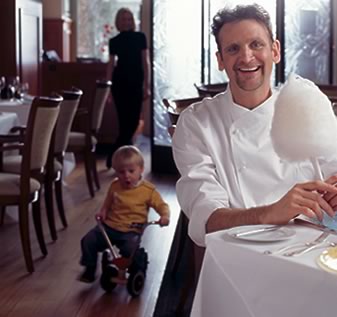
A particularly unusual feature was the restaurant's rain window, which provided a distinctive view into kitchen activity. This design element connected guests to the process of preparing food while reinforcing Cascadia's identity as a creative, chef-driven establishment. The open pastry kitchen also added an element of entertainment, particularly through its cotton candy machine, which reflected Sear's willingness to incorporate humor and surprise into upscale dining.
The restaurant offered seasonal patio dining, generally from April through September, providing an outdoor option during Seattle's warmer months. Inside, different dining areas served different purposes. Guests could enjoy a full dinner in the main dining room, meet friends in the bar and lounge, or arrange a private event in a more secluded setting.
This flexibility was central to Cascadia's hospitality philosophy. The restaurant sought to provide the polish expected of a fine dining establishment while maintaining the spontaneity and social energy of a neighborhood gathering place. That combination helped distinguish it from restaurants focused exclusively on formal, multicourse dining.
Pacific Northwest Cuisine and Chef Kerry Sear's Culinary Philosophy
Cascadia's menu reflected a commitment to Pacific Northwest ingredients combined with international techniques and unexpected flavor combinations. Sear's cooking emphasized fresh seafood, seasonal produce, carefully selected meats, and ingredients that contributed distinctive flavors without overwhelming the principal components of a dish. This approach gave Cascadia a regional identity while allowing the chef to experiment beyond the boundaries of conventional American cuisine.
Among the restaurant's notable dishes were caramelized spice-rubbed wild king salmon, fenugreek-crusted spring lamb, and grilled beef tenderloin. Other preparations incorporated roasted fennel seeds, huckleberry syrup, and specialty seasonings such as French sea salt infused with lemon. These ingredients demonstrated Sear's interest in balancing familiar proteins with less predictable accompaniments, allowing guests to experience new flavors without abandoning recognizable dishes.
The restaurant sourced seafood from Seattle's Pike Place Market and used Northwest-grown herbs and other regional products. However, Cascadia's commitment to quality was not restricted to local ingredients. Midwest-raised beef and imported specialty products also appeared in its cooking, demonstrating that Sear valued ingredient quality and culinary suitability alongside regional sourcing.
Seasonality was an important part of the menu. Certain dishes changed to reflect available ingredients, while established favorites remained for returning customers. This combination allowed Cascadia to maintain a recognizable culinary identity while providing variety throughout the year. Its food was carefully presented, but the underlying goal was enjoyment rather than technical complexity for its own sake.
Cascadia's culinary philosophy also anticipated a broader movement in American dining toward combining fine dining techniques with approachable dishes. The restaurant could serve an elaborate seafood preparation in its main dining room while offering playful interpretations of hamburgers in its lounge. Rather than treating these as competing identities, Sear incorporated both into the restaurant's overall concept.
Cascadia's Famous Mini-Burgers and Alpine Martini
Cascadia's miniature hamburgers became one of its most recognizable creations and an important reason for the restaurant's lasting reputation. Served in the bar and lounge, these small gourmet burgers transformed a familiar American comfort food into an upscale but accessible dining experience. Guests could order them in different quantities, making them suitable for individual snacks, shared plates, or larger gatherings.
The classic version featured beef hanger steak and Vermont cheddar, while more elaborate variations included barbecued lobster. This range illustrated the restaurant's willingness to combine everyday foods with luxury ingredients. Rather than requiring guests to order a formal multicourse meal, the mini-burgers offered an informal introduction to Sear's cooking and made the lounge appealing to diners with different budgets and appetites.
The Alpine Martini was another signature attraction. The cocktail incorporated a handmade frozen element that became a memorable part of its presentation. Contemporary accounts describe the drink as featuring juniper sorbet, an unusual addition that reflected the kitchen's willingness to experiment with temperature, texture, and presentation. The combination of an inventive cocktail and miniature burgers became closely associated with Cascadia's happy hour.
A 2007 account by Seattle real estate writer Deborah Burns described visiting Cascadia after seeing it featured on the Food Network. Her group ordered mini-burgers, Alpine Martinis, and fries served in a cone. The account also reported that a server had noticed increased happy-hour traffic following the television exposure. This provides a contemporary example of how the restaurant's signature items attracted customers beyond its established clientele.
The importance of these dishes continued long after the restaurant closed. In a retrospective on vanished Seattle restaurants, the Seattle Post-Intelligencer specifically remembered Cascadia's mini-burgers, demonstrating how a relatively simple menu item could become one of the most enduring symbols of a sophisticated restaurant.
The Bar, Lounge, and Happy Hour Experience
Cascadia's bar and lounge operated as a distinct destination within the restaurant. The space offered a more casual alternative to the main dining room while maintaining the establishment's emphasis on quality ingredients, attentive service, and creative presentation. Its expansive windows, contemporary atmosphere, and seasonal patio made it particularly appealing for after-work gatherings and informal social occasions.
The restaurant advertised happy hour from 5:00 p.m. to 7:00 p.m., Monday through Saturday. During these hours, guests could enjoy specialty cocktails and bar-menu selections without committing to a formal dinner. The lounge also accommodated after-theater and late-night dining, making it useful for visitors attending performances or spending an evening in downtown Seattle.
The beverage program included martinis, Scotch whisky, and microbrews, reflecting both classic cocktail traditions and the Pacific Northwest's growing appreciation for craft beer. The lounge's own food menu allowed it to function independently of the main restaurant, giving customers a reason to visit even when they were not planning an elaborate meal.
Cascadia's bar demonstrated how an upscale restaurant could appeal to multiple audiences within the same establishment. A guest might visit for a special anniversary dinner, return another evening for cocktails with friends, and later arrange a private business event. This flexibility helped broaden the restaurant's appeal and contributed to its reputation as both a dining destination and a social gathering place.
Private Dining, Special Events, and Catering Services
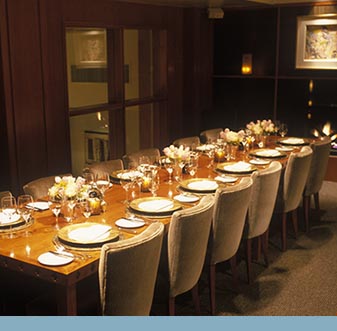
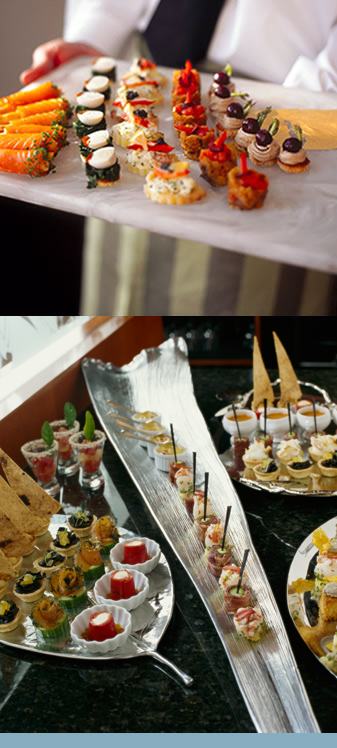
Beyond its regular restaurant service, Cascadia offered private dining and event planning for business functions, family celebrations, and social gatherings. Its private dining room was reached by a cherrywood staircase and featured a fireplace, fine art, and views of Elliott Bay. The space was designed to provide privacy and sophistication while maintaining the welcoming atmosphere associated with the restaurant.
The private room accommodated approximately 20 guests for seated lunches or dinners and up to 30 guests for cocktail receptions. Customers could select three-, four-, or five-course menus, with additional options for hot and cold hors d'oeuvres. Sommeliers assisted with wine recommendations, and the kitchen could tailor selections to the occasion and preferences of the group.
For larger events, Cascadia offered its main dining room and semi-private areas. The restaurant's approximately 5,120-square-foot floor plan could accommodate as many as 120 guests for seated meals. Its event services extended beyond food preparation to include flowers, place cards, parking arrangements, music, and custom-printed menus.
Off-site catering was also part of the business. This allowed Cascadia to serve customers at locations beyond its First Avenue premises and positioned the restaurant as a provider of hospitality services rather than exclusively a place for dining. The range of event options reflected Sear's luxury hotel background, where coordinating food, service, presentation, and logistics was an essential part of creating a successful occasion.
Reviews, Critical Reception, and Recognition
Cascadia attracted favorable attention from food writers and critics, although individual reviews varied in their assessments of the restaurant's popularity and performance. Its strongest recognition came from the quality and originality of its cooking, particularly the way Sear interpreted Pacific Northwest ingredients.
Restaurant critic Andy Hayler's historical review, dated January 2001, assigned Cascadia an overall food rating of 15 out of 20. The review classified the restaurant as serving American cuisine and recorded a typical price of approximately £55 for three courses with modest wine. While this represented one critic's assessment rather than a universal rating, it provides useful evidence of Cascadia's standing as a serious upscale restaurant early in its history.
A particularly revealing contemporary assessment appeared in April 2008, when food writer Leslie Kelly described a highly successful dinner at Cascadia. She praised the creativity and presentation of the dishes, including the Alpine Martini and a deconstructed rhubarb pie. Kelly considered the meal among her best dining experiences in Seattle but also observed that the restaurant was only half full on a Saturday evening.
That account highlights an important distinction between critical acclaim and consistent commercial popularity. Cascadia was respected for its cooking and admired by knowledgeable diners, but favorable reviews did not necessarily translate into a full dining room every night. Its lounge and signature mini-burgers may have enjoyed a different pattern of popularity from its formal dining service.
Cascadia's reputation was reinforced by national culinary publications. In a 2014 retrospective on Sear's career, Eater Seattle recalled that Bon Appétit had praised his interpretation of Northwest cuisine and that USA Today had recognized him among a group of innovative American chefs. These acknowledgments help explain why Cascadia was regarded as more than a neighborhood restaurant.
Specific major culinary awards won by Cascadia have not been reliably established from the available records. Its documented recognition is better understood through critical reviews, national press attention, television coverage, and its continued appearance in retrospective discussions of Seattle's restaurant history.
National Television Exposure and Media Coverage
Cascadia reached a national audience through the Food Network's Giada's Weekend Getaways, a travel and food television series hosted by Giada De Laurentiis. The program explored restaurants, attractions, and local experiences in different destinations, introducing viewers to establishments they might otherwise never encounter.
During the Seattle episode, Cascadia's miniature burgers and Alpine Martini received attention. These selections were well suited to television because they combined recognizable foods with unusual presentations. The burgers offered an appealing visual example of creative comfort food, while the cocktail demonstrated the restaurant's interest in playful culinary techniques.
The restaurant's appearance had a measurable effect in at least one contemporary account. Deborah Burns wrote in February 2007 that the happy-hour crowd had grown following broadcasts of the episode, based on information she received during her visit. Although this does not establish exact audience figures or sales increases, it demonstrates how national media exposure translated into local customer interest.
Cascadia also appeared in restaurant guides and regional dining coverage. Gayot, a restaurant review and lifestyle publication, later characterized Cascadia as a refined and inventive Seattle dining destination when reporting its closure. Eater Seattle discussed the restaurant in coverage of Sear's subsequent career and the changing use of its former Belltown location.
This combination of local reviews, national television exposure, and later historical coverage helped preserve Cascadia's reputation after its doors closed. The restaurant's name remained recognizable to Seattle food enthusiasts even as the neighborhood's dining scene continued to change.
The Closure of Cascadia in 2008
Cascadia's closure was closely connected to Kerry Sear's decision to return to the Four Seasons hotel organization. In May 2008, the Seattle Daily Journal of Commerce reported that Sear would become executive chef and director of food and beverage for the new Four Seasons Hotel and Private Residences in downtown Seattle.
The announcement marked a significant professional transition. Rather than continue operating his independent restaurant, Sear chose to take responsibility for a major luxury hospitality operation. His new position would involve broader oversight of dining and beverage services, allowing him to apply his experience in both restaurant kitchens and hotel management.
The restaurant's First Avenue space was offered for sale with an asking price of $1.25 million. Contemporary reporting emphasized that Sear and Grathwol were not selling the Cascadia name or menu, suggesting that the owners regarded the restaurant's identity and culinary creations as assets separate from its physical location.
In May, the restaurant was expected to remain open while the property was being marketed. By October 2008, Gayot was reporting that Cascadia had closed permanently. This establishes the closure within 2008, although the available sources do not conclusively identify its final day of service.
Sear's transition to Four Seasons was followed by the opening of ART Restaurant, the hotel's new dining establishment. By November 2008, Gayot was describing ART as a new destination for contemporary Northwest cuisine, with Sear directing its culinary program. The move represented a continuation of his interest in regional ingredients and creative dining, but within a substantially different business structure.
The closure was not the end of Sear's culinary career. In October 2014, Eater Seattle reported that he was leaving Four Seasons to become executive chef and director of food and beverage at TCS Expeditions, a Seattle-based company specializing in luxury travel by private jet. His subsequent career illustrates how the experience developed at Cascadia contributed to broader opportunities in high-end hospitality.
What Happened to Cascadia's Former Restaurant Space?
The space formerly occupied by Cascadia continued to attract restaurant operators after its closure. Its size, architectural character, and prominent Belltown location made it suitable for ambitious dining concepts, although the property's history also demonstrated the challenges of operating a large upscale restaurant.
One subsequent occupant was Taberna del Alabardero, a Spanish restaurant associated with an international hospitality organization. The Seattle establishment ultimately closed, leaving the property vacant for another period. In August 2014, Eater Seattle reported that a new tenant was planning a seafood restaurant in the former Cascadia space.
The proposed establishment was associated with Ken Yoon, an Alaska-based operator, and plans centered on seafood such as Alaskan king crab and salmon. By early 2015, local reporting identified Red King Crab as occupying the location. These developments demonstrate that the building continued to be associated with seafood-focused and upscale dining concepts even after Cascadia's departure.
The succession of restaurants also illustrates the changing economics and competitive conditions of Belltown dining. A location that was visually impressive and well situated could still present substantial operating challenges. Large dining rooms required consistent customer traffic, and changes in neighborhood preferences or consumer spending could affect the viability of individual concepts.
For anyone researching CascadiaRestaurant.com today, it is important to distinguish the original restaurant from the businesses that subsequently occupied the address. Cascadia's identity was inseparable from Kerry Sear's culinary direction and its particular menu, service style, and atmosphere.
Cascadia's Place in Seattle's Culinary History
Cascadia emerged during an important period in Seattle's restaurant development. The city's culinary identity was increasingly associated with fresh seafood, regional produce, artisan ingredients, and chefs willing to combine international influences with the resources of the Pacific Northwest. Restaurants were moving beyond traditional definitions of fine dining and developing experiences that felt more individual, contemporary, and connected to their surroundings.
Cascadia contributed to this evolution by demonstrating that a chef-driven restaurant could be both sophisticated and playful. Sear's cooking incorporated luxury ingredients and careful presentation, but the restaurant was equally willing to celebrate miniature hamburgers, imaginative cocktails, and desserts that incorporated unexpected elements.
The restaurant's approach to sourcing also reflected the growing importance of regional identity in American cuisine. Its use of Northwest seafood, herbs, and seasonal products connected the menu to Seattle's geography, while imported ingredients and international cooking techniques prevented that regional focus from becoming restrictive.
Another important aspect of Cascadia's legacy was its hospitality philosophy. The restaurant did not treat formal dining and casual socializing as mutually exclusive activities. By developing a distinctive lounge, offering private events, and maintaining a flexible dining atmosphere, Cascadia appealed to customers with different expectations and reasons for visiting.
Its continued inclusion in Seattle restaurant retrospectives indicates that the establishment left an impression beyond its years of operation. In 2017, the Seattle Post-Intelligencer included Cascadia in a feature remembering restaurants that Seattle diners missed. The article specifically highlighted the mini-burgers while acknowledging the restaurant's broader range of memorable dishes.
CascadiaRestaurant.com as a Historical Resource
Today, CascadiaRestaurant.com functions as a historical resource rather than an active restaurant booking or ordering website. Its value lies in preserving the identity of an establishment that no longer exists, including descriptions of its owners, culinary philosophy, signature menu items, dining rooms, and event services.
The website's preserved material provides insight into how Cascadia presented itself to prospective customers. Its language emphasized enjoyment, creativity, and hospitality, while its descriptions of the dining spaces reveal how the restaurant attempted to accommodate both everyday occasions and major celebrations. Details about the bar menu, patio, private dining capacity, and catering services help reconstruct the range of experiences available to guests.
The site's historical content is especially useful when considered alongside contemporary journalism and independent reviews. Restaurant promotional material can explain what an establishment intended to offer, while third-party reporting provides additional perspective on its reputation, business decisions, and public reception. Together, these sources create a more complete picture of Cascadia's role in Seattle dining.
Cascadia's story also illustrates the lasting importance of restaurant websites as cultural records. Menus, descriptions of dining rooms, chef biographies, and accounts of signature dishes can preserve aspects of a restaurant's identity that might otherwise disappear after closure. In Cascadia's case, the website helps connect the establishment's culinary ambitions with the memories preserved in Seattle's food journalism.
The Lasting Legacy of Cascadia Restaurant
Cascadia Restaurant remains an interesting chapter in Seattle's culinary history because it successfully combined several qualities that do not always coexist in fine dining. It offered ambitious Pacific Northwest cooking, an elegant architectural setting, attentive hospitality, and a willingness to make food entertaining. Its menu could move from carefully composed seafood and lamb dishes to gourmet miniature burgers without losing its overall identity.
The restaurant's national television appearance, favorable critical attention, and enduring reputation demonstrate that its influence extended beyond its Belltown address. Its closure in 2008 reflected a major career opportunity for its chef-owner, while the continued recognition of its signature dishes suggests that Cascadia had developed a distinctive personality that customers remembered.
For former patrons, CascadiaRestaurant.com offers an opportunity to revisit a memorable dining destination. For readers interested in Seattle's restaurant history, it provides a useful record of a period when regional ingredients, contemporary presentation, and more relaxed approaches to fine dining were helping redefine the city's culinary reputation. Cascadia's story is ultimately about the connection between a chef's creative vision, a neighborhood's evolving identity, and the dining experiences that remain memorable long after a restaurant closes.